We discovered that for boys today, gambling doesn't happen at casinos or card tables. It lives in sports betting and inside the games our sons already love—in loot boxes, skin
cases, and other reward systems that blur the line between playing and paying—and it's being pushed to them on the social media sites they use every day.
Tagged with report
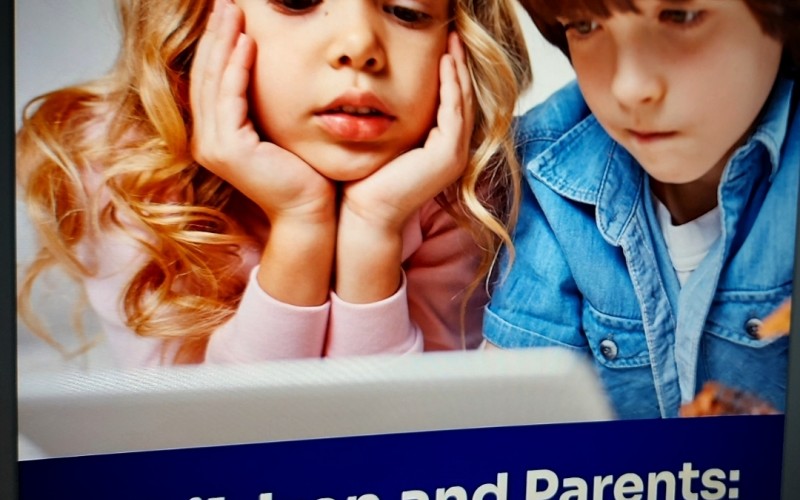
The Alan Turing Institute's Children and AI and AI for Public Services teams explored the perspectives of children, parents, carers and teachers on generative AI technologies.
As in all Ofcom's reports, Ofcom provides detail about different groups of children, highlighting age, socioeconomic background and gender wherever it is useful or possible to do so.
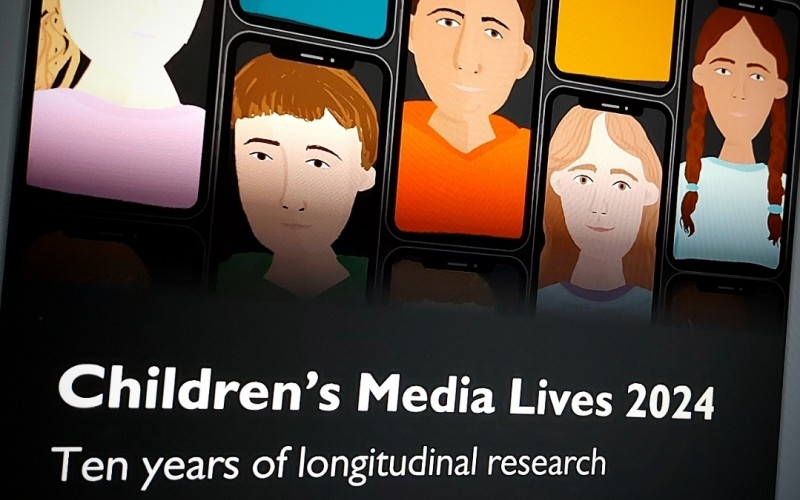
When Ofcom first commissioned this longitudinal study 10 years ago, several of the children in this year’s research weren’t yet born. It was 2014, later dubbed the “year of the selfie”1 in the wake of that year’s icebucket challenge2, the #nomakeupselfie3 and the “selfie that broke Twitter”. A year of laughs, cold-water gasps, attempts at authenticity and a group of famous people who took their own picture at the Oscars.
Parentzone; 'The Online Safety Bill should mean user-led safety tools will have a greater role to play in how we go online.
It's widely hoped they will make digital safer for families. However, they’re far from a perfect solution.
In our new report, we raise concerns about the effectiveness of user-led safety tools.'
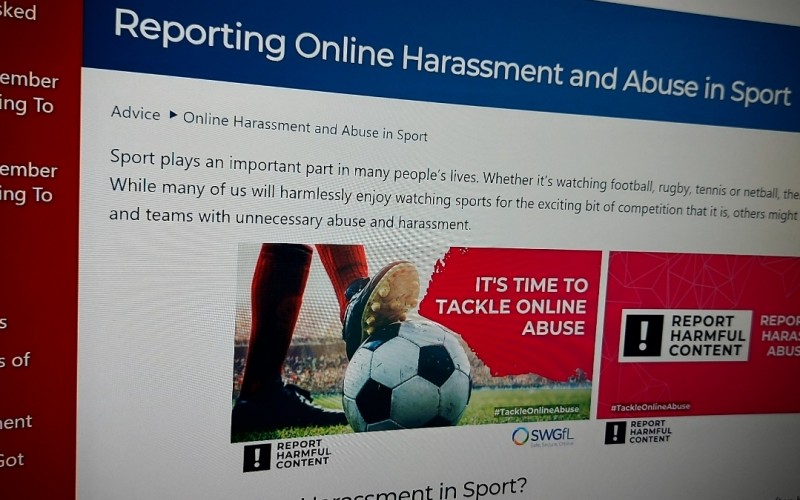
Online harassment in sport is a form of abuse that targets an individual (or a group of players). This content can often be used to mock an athlete’s skills or abilities but can also target their personal and private lives, including their families and friends.
Types of harassment can include discrimination, bullying, sexism, racism, hurtful language, sexual harassment, trolling, rumour spreading and threats.


Comments
make a comment