Feedback

Simfin

online safety and digital citizenship specialist

Useful Resources for Adults who work with Young People

20 July 2026

Common Sense Media Report.

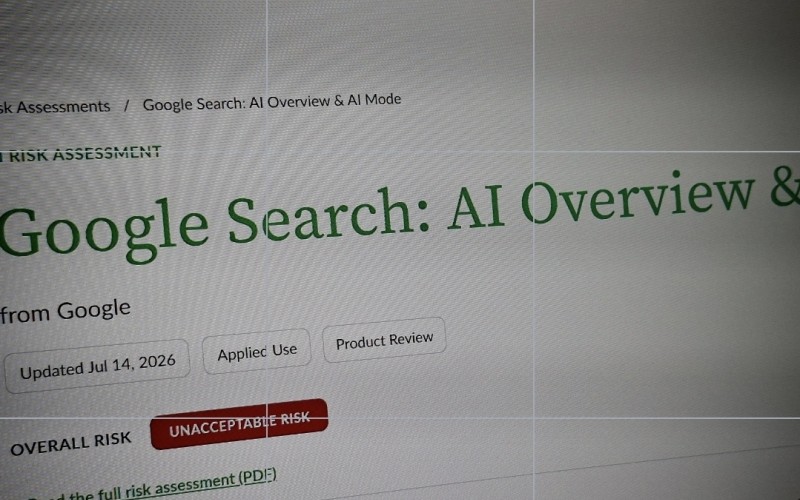
'Our tests found that both AI Overview and AI Mode failed kids in crisis, including missing clear signs of suicidal ideation, reinforcing signs of psychosis and mania, validating disordered eating including purging, and celebrating cannabis use.

They also provide information that could facilitate bullying by handing over step-by-step instructions for making deepfakes.

Of the two features, AI Mode performed better at detecting some kinds of crisis, suggesting Google already has safer technology it could deploy.'
Read more

16 July 2026

LGFL has updated the existing documents to align with the latest legislation and guidance, as well as national trends around online safeguarding, such as:
• More detail within the filtering and monitoring section to align with KCSIE 2026
• Greater emphasis on the use of Gen AI and the need for schools to have a strategic approach
• A warning about the significant safeguarding and data protection risks of wearable technology and the use of recording devices in schools (e.g. image-capturing glasses and earpieces)
• Updates related to image sharing and the risk of AI manipulation
• Inclusion of the mandatory duty to report child sexual abuse as per the Children’s Wellbeing and Schools Act (2026).

Read more

11 July 2026

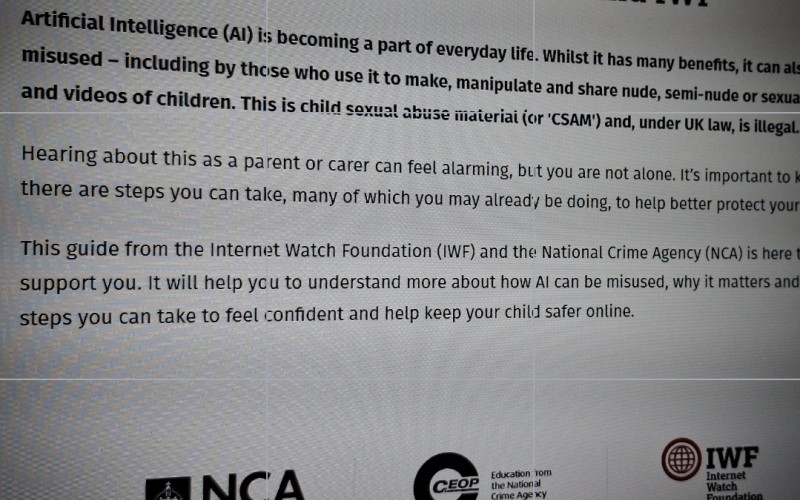
This guide from the Internet Watch Foundation (IWF) and the National Crime Agency (NCA) is here to support you. It will help Parents and carers to understand more about how AI can be misused, why it matters and what steps you can take to feel confident and help keep your child safer online.


Read more

11 July 2026

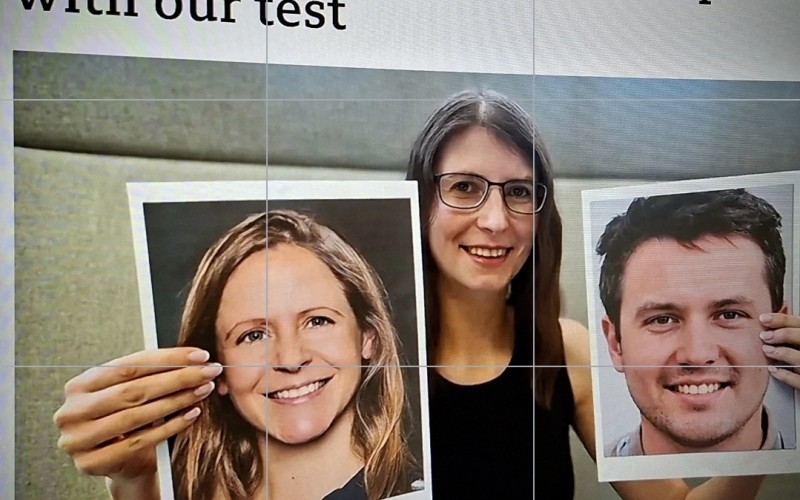
It used to be far easier to spot computer-generated visual creations - often used by fraudsters - because AI would make blunders, like adding an extra finger or something else that was obviously weird.

But AI learns from its mistakes.

"Training on visual artifacts, like looking for a sixth finger or odd earrings, has had limited success, partly because the AI is getting too good, and fraudsters may avoid using pictures with obvious flaws anyway," explained Prof Amy Dawel.

Read more

29 June 2026

Developed by the UK Online Harms Early Warning Working Group, this guidance shares best practice and considerations for education settings and organisations working with children and young people on the use of photos and videos across their online platforms, to address the risk of AI image manipulation.

Read more