23 April 2018
Guidance from Department for Education to support schools with data protection activity, including compliance with the General Data Protection Regulation (GDPR).
Guidance from Department for Education to support schools with data protection activity, including compliance with the General Data Protection Regulation (GDPR).
June 2020.
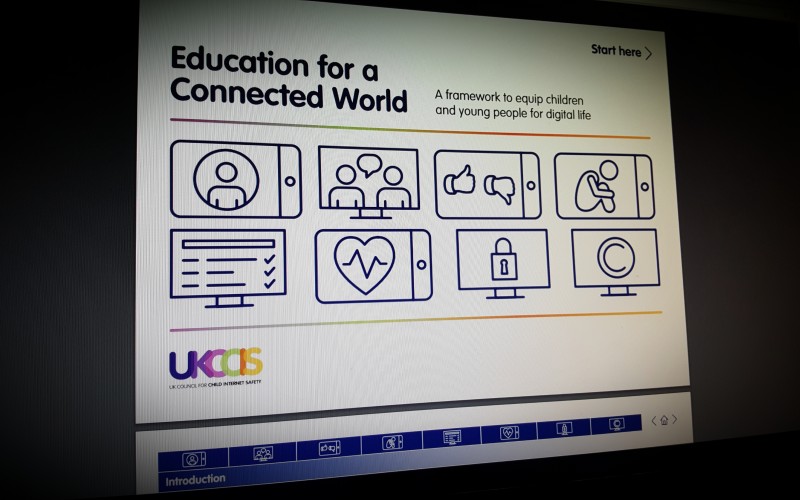
The Education for a Connected World framework has been updated and describes the Digital knowledge and skills that children and young people should have the opportunity to develop at different ages and stages of their lives. It highlights what a child should know in terms of current online technology, its influence on behaviour and development, and what skills they need to be able to navigate it.
ProjectEVOLVE resources each of the 330 statements from UK Council for Internet Safety's (UKCIS) framework “Education for a Connected World” with perspectives; research; activities; outcomes; supporting resources and professional development materials.
Access Project Evolve here
Also, the Education for a Connected World is based on a framework originally created by Common Sense Media and there is a UK version created by Islington Schools which includes UK resources and teaching materials. Both frameworks and resources are free to use.
You can access this document here
A lifetime online
The first “social media babies” are turning 13! Their childhoods have been shared online by their families- and they’re not always happy about it. As the babies born since the advent of Facebook become old enough to have their own accounts, should we rethink how much we share about our children?
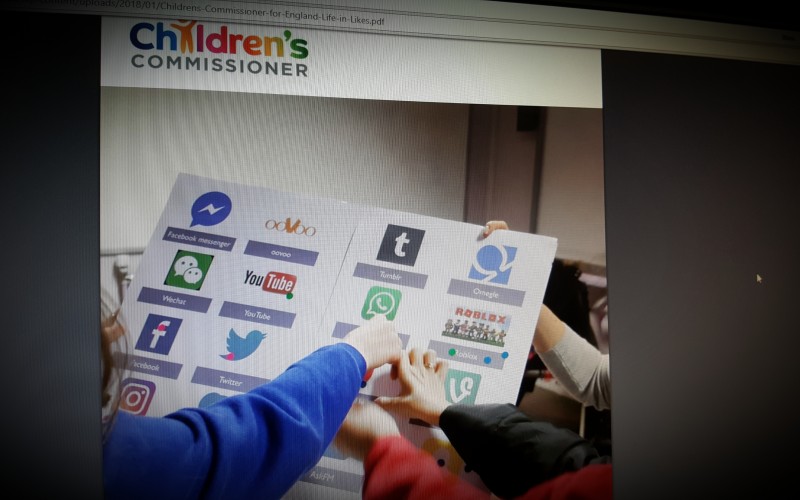
Most social media platforms have a minimum age limit of
13, but research shows a growing number of children
aged under 13 are using social media, with 3 in 4 children
aged 10-12 having their own accounts.
While much is known about how teenagers use social
media, this research provides the missing piece to the
story, exploring the social media lives of children before
they reach the teenage years. In October and November
2017, we conducted 8 focus groups with 32 children
aged 8-12 to understand the impact of social media on
the wellbeing of this age group.
The Canadian Centre for Child Protection, which is behind the campaign, said it’s seen an 89% increase in so-called “sextortion” cases among teenage boys over the last two years.
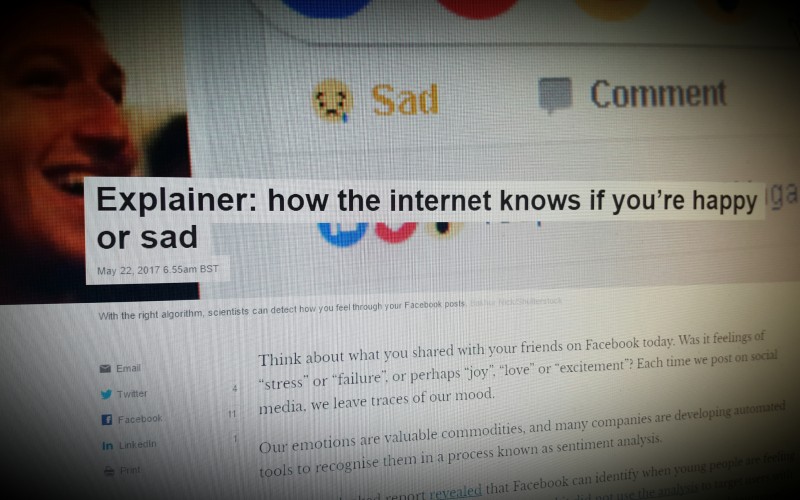
Think about what you shared with your friends on Facebook today. Was it feelings of “stress” or “failure”, or perhaps “joy”, “love” or “excitement”? Each time we post on social media, we leave traces of our mood.
Our emotions are valuable commodities, and many companies are developing automated tools to recognise them in a process known as sentiment analysis.

Comments
make a comment