Many adults who care for children worry about the impacts of AI tools like chatbots. See how you can encourage safe and supportive use.
Tagged with AI
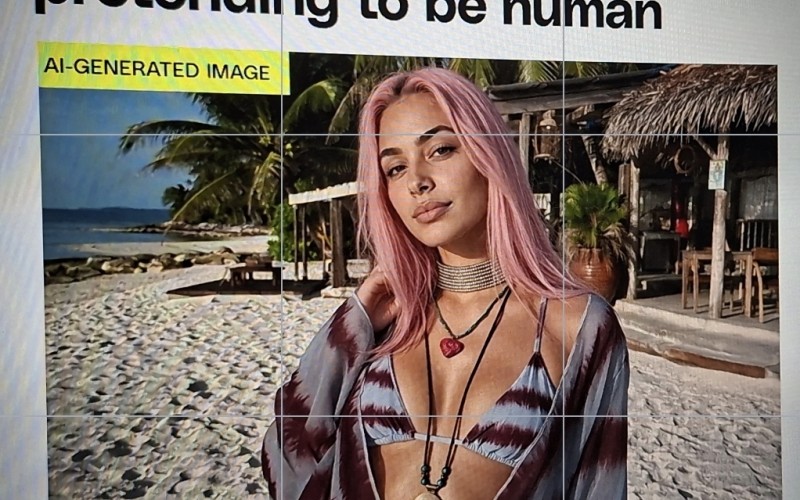
Instagram's parent company, Meta, is investigating AI-generated social media accounts that sexualise disabled people appearing on its platform.
It comes after the BBC flagged dozens of profiles showing AI-generated images of women with disabilities, including Down's syndrome or vitiligo.
Some profiles post fake images and videos of women with missing limbs, visible scarring or in wheelchairs. Many are in sexualised positions, wearing revealing clothing.
One profile, claiming to be conjoined twins, has about 400,000 followers, despite only joining Instagram in December 2025.
Kamran Mallick, chief executive of Disability Rights UK, said the emergence of "accounts that fetishise, mock, or monetise the identities of disabled people is nothing short of horrific".
How is your school ensuring there is a robust safeguarding-first approach to using Gen-AI?
Understand the risks associated with Gen-AI and how schools can mitigate these.
At 85, Jan Worrell lived alone on a remote corner of the Washington coast. Could ElliQ become her companion?
Barry is a chatbot. He lives on an old model of ChatGPT, one that its owners OpenAI announced it would retire on 13 February.
That she could lose Barry on the eve of Valentine's Day came as a shock to Rae - and to many others who have found a companion, friend, or even a lifeline in the old model, Chat GPT-4o.
Working from home after years spent alone over Covid lockdowns, 23-year-old Paisley said he began to feel trapped, and felt only AI could help him.
"I lost the ability to socialise," he said, and like many in Gen Z, he turned to AI for company.
"At one point, I was talking to ChatGPT six, seven, eight times a day about my problems, I just couldn't get away from it, it was a dangerous slope."


Comments
make a comment