



03 August 2016
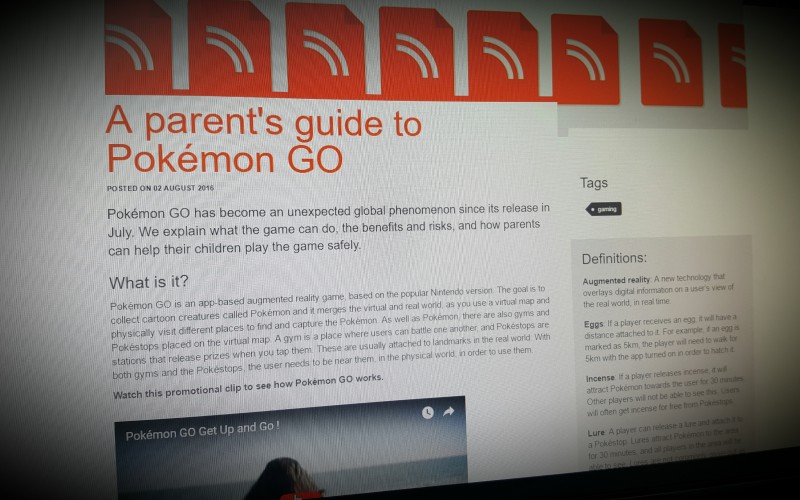
Pokémon GO has become an unexpected global phenomenon since its release in July. We explain what the game can do, the benefits and risks, and how parents can help their children play the game safely.
Thank you so very much for an absolutely fabulous session on Digital Citizenship. The feedback has been really positive and we are so appreciative of your time and expertise.
31 August 2026
Pokémon GO has become an unexpected global phenomenon since its release in July. We explain what the game can do, the benefits and risks, and how parents can help their children play the game safely.
If you share an image of yourself online by photo, text or video, via your phone, tablet or computer always think first, “would I be ok with anyone and everyone seeing this?”
Any image of yourself that you send, can and might be shared by the person you sent it to. Once you press send, it is no longer in your control.
If you share a ‘nude’ or ‘underwear shot’ even with someone you trust, you are not able to control who they forward it to or where they save it. It can be sent on to anyone or posted anywhere on the internet. It could end up on social networking sites or even porn sites.
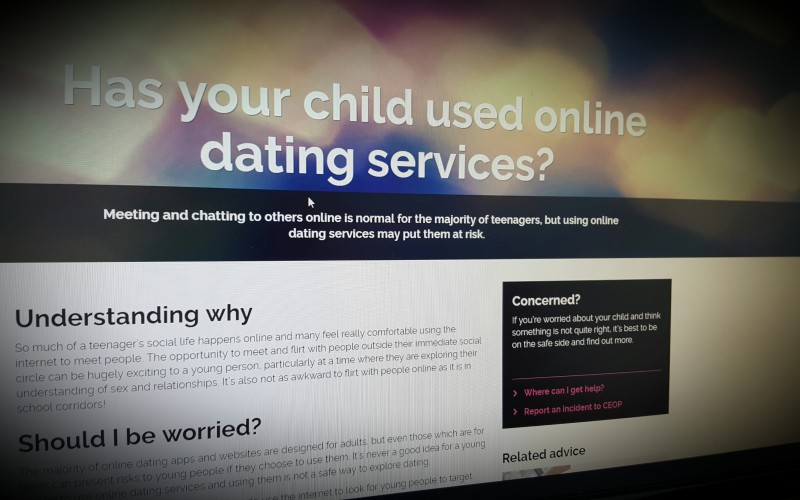
So much of a teenager’s social life happens online and many feel really comfortable using the internet to meet people. The opportunity to meet and flirt with people outside their immediate social circle can be hugely exciting to a young person, particularly at a time where they are exploring their understanding of sex and relationships. It’s also not as awkward to flirt with people online as it is in school corridors!
Mark Zuckerberg uses tape over his webcam. Even if you’re not worried about industrial espionage, there’s no such thing as too much security
The Pokémon Go Terms of Service, as published by developer Niantic Labs, include a restrictive forced arbitration clause that both takes away the user’s right to file a lawsuit against Niantic, but also bars the user from joining others in any sort of class action against the company.
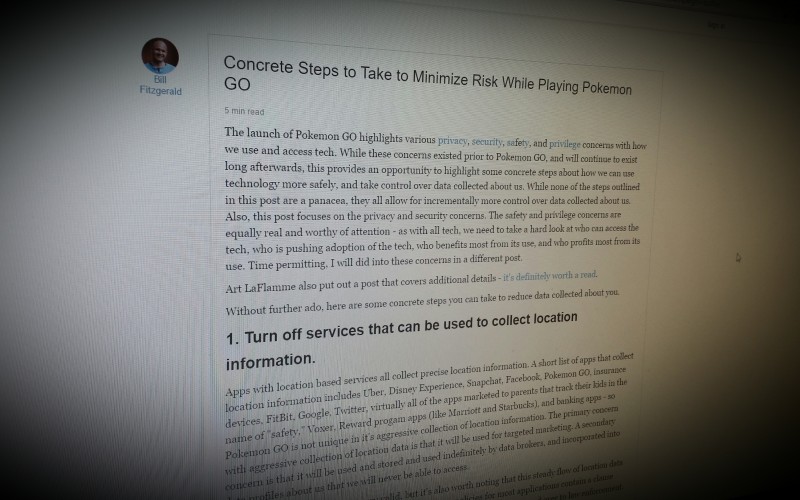
The launch of Pokemon GO highlights various privacy, security, safety, and privilege concerns with how we use and access tech. While these concerns existed prior to Pokemon GO, and will continue to exist long afterwards, this provides an opportunity to highlight some concrete steps about how we can use technology more safely, and take control over data collected about us.



Comments
make a comment