Feedback

Simfin

online safety and digital citizenship specialist

Naace Impact Award Winner for Leadership

For his commitment to ensuring a safe and supportive learning environment for the education sector

What people say about simfin

  • Thank you so much for a very informative session. I have seen you before many years ago and it was just as scary about what's out there. I work in the children's service so the information will be very useful.

    Course delegate Teesside

 Tagged with guidance


21 September 2016

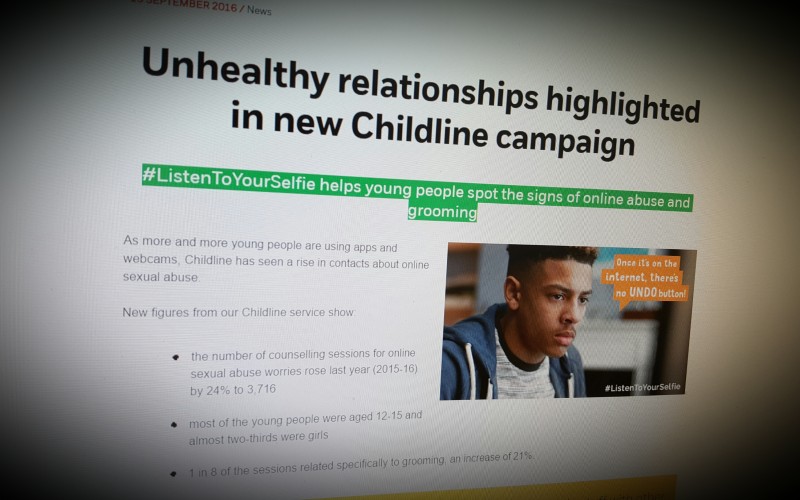
The internet is increasingly used as a gateway by offenders to commit crimes including sexual assaults, sexual exploitation and grooming. To tackle this issue, Childline is launching a new campaign, #ListenToYourSelfie aimed at helping young people recognise the signs of grooming and unhealthy relationships, both online and offline.

Funded by BBC Children in Need, the campaign features two films where selfies come to life and question a situation. The Game focuses on a same-sex online grooming scenario and The Party highlights peer to peer sexual pressure and grooming.

Read more

12 September 2016

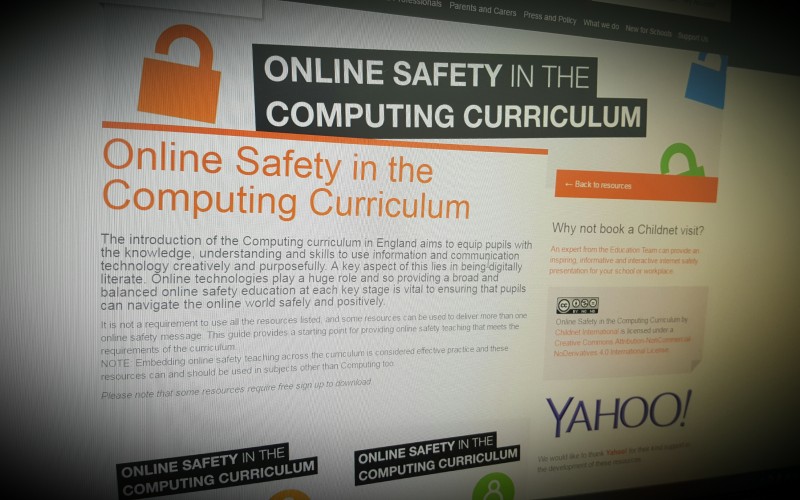
The introduction of the Computing curriculum in England aims to equip pupils with the knowledge, understanding and skills to use information and communication technology creatively and purposefully.

A key aspect of this lies in being digitally literate. Online technologies play a huge role and so providing a broad and balanced online safety education at each key stage is vital to ensuring that pupils can navigate the online world safely and positively.

The resources are here.

09 September 2016

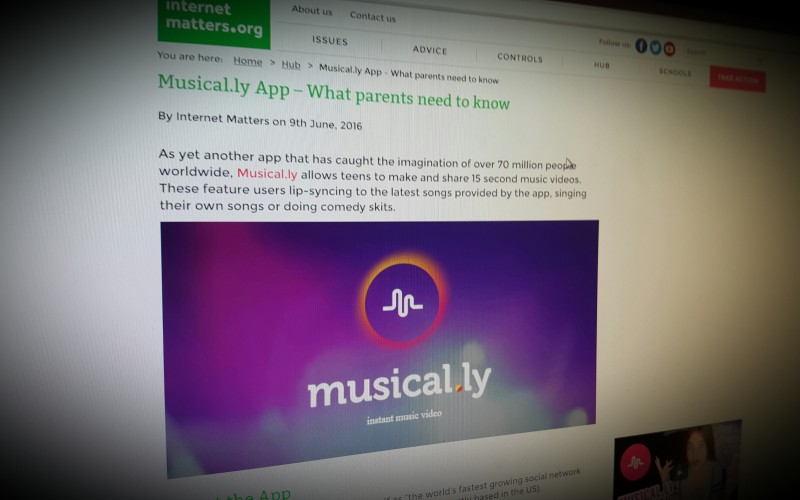
Musical.ly allows teens to make and share 15 second music videos. These feature users lip-syncing to the latest songs provided by the app, singing their own songs or doing comedy skits.

Musical.ly is a socialmedia app. We should not be surprised that other users, who may wish to cause physical or emotional harm and distress to our children, may make contact.

Guidance and information for parents and carers can be found here


and here.


01 September 2016

If you’re new to teaching, or just new to Facebook, one thing you should definitely do before you step foot in the classroom is check your Facebook privacy settings. Students love to have the inside scoop on their teachers. You can be sure they’ll be checking out your online profiles, as soon as they’ve figured out your first name.

To keep your recent holiday photos private and make sure that the world doesn’t know you listen to Cheryl Cole as you work out, here is some advice for teachers on Facebook:

Read more

16 August 2016

Who is this for?
This advice is for designated safeguarding leads and senior leadership teams in schools and educational establishments
in England.

What does this advice cover?
This advice covers:

Responding to disclosures
Handling devices and imagery
Risk assessing situations
Involving other agencies, including escalation to the police and children’s social care
Recording incidents
Involving parents
Preventative education


Access the document here