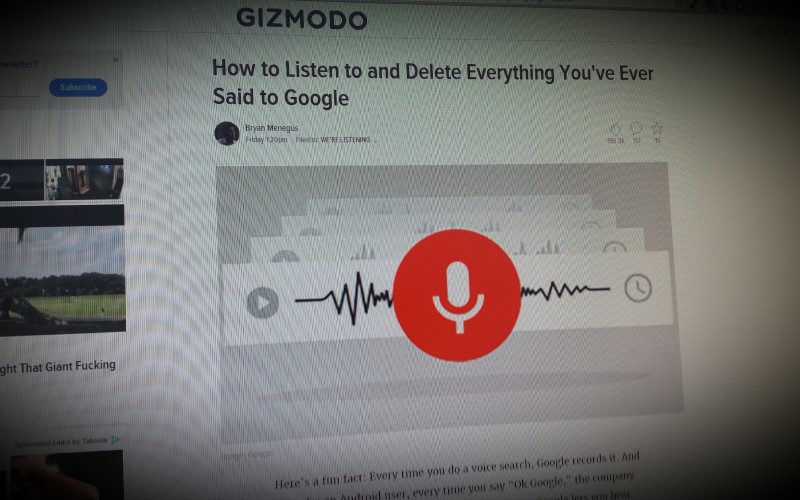
'Every time you do a voice search, Google records it. And if you’re an Android user, every time you say “Ok Google,” the company records that, too. Don’t freak out, though, because Google lets you hear (and delete) these recordings. Here’s how'
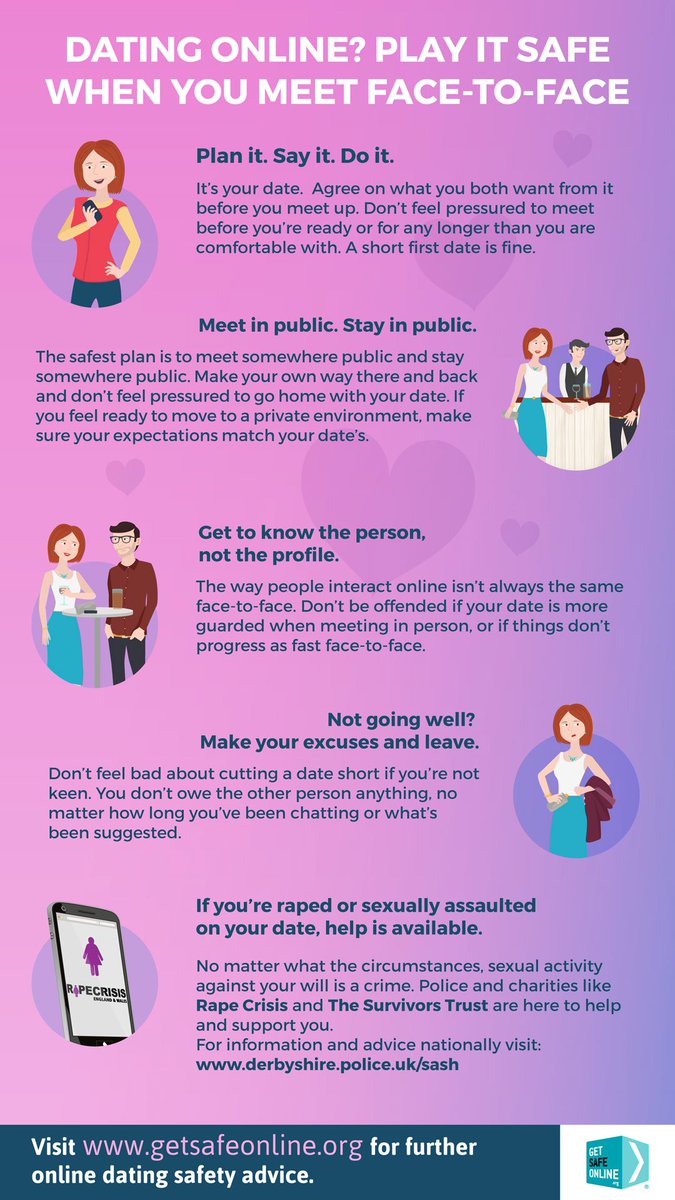
Online dating sites such as Match.com, eHarmony.com and Zoosk.com take the traditional matchmaking process online and allow people to meet one another via the internet, with many encounters leading to long-term relationships.
The vast majority of people using dating sites are sincere and honest in the information they provide and in their reasons for joining. However, there are exceptions, and you need to be aware of how to keep yourself - and your bank account and savings - protected while meeting people online.
and infograph is here
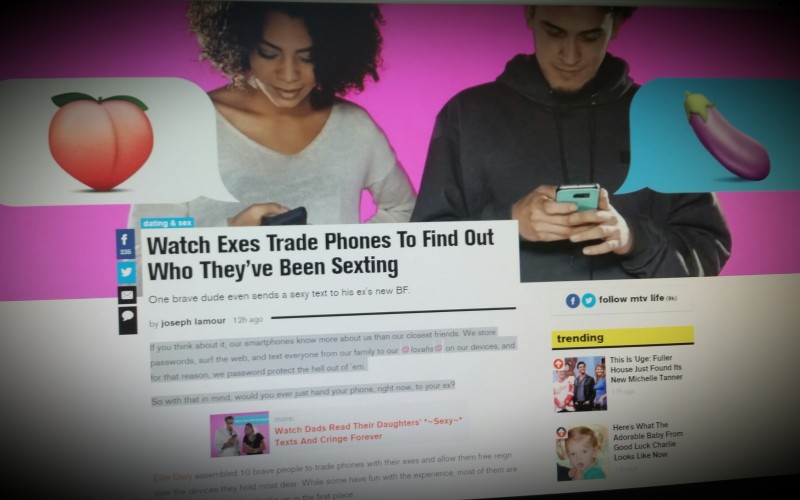
'If you think about it, our smartphones know more about us than our closest friends. We store passwords, surf the web, and text everyone from our family to our 💋lovahs💋 on our devices, and for that reason, we password protect the hell out of ’em.
So with that in mind, would you ever just hand your phone, right now, to your ex?'
When it comes to digital citizenship, privacy and respect, should you ever want to look at someone's messages and shares?
Read the article and watch the video here
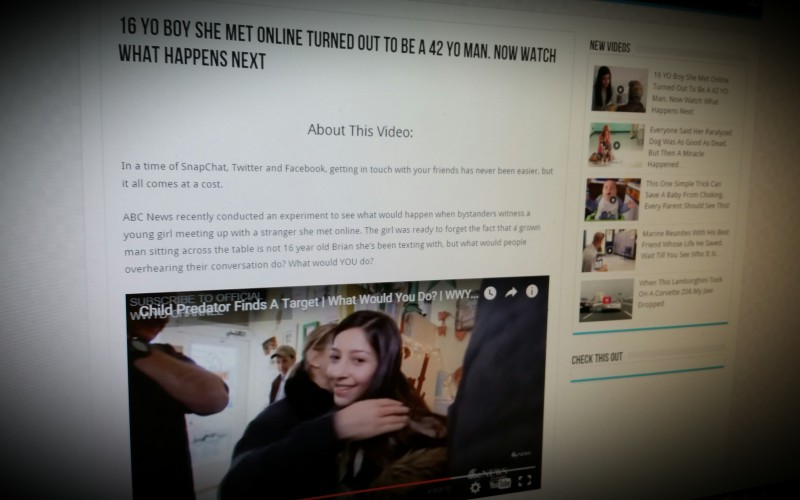
In a time of SnapChat, Twitter and Facebook, getting in touch with your friends has never been easier, but it all comes at a cost.
ABC News recently conducted an experiment to see what would happen when bystanders witness a young girl meeting up with a stranger she met online. The girl was ready to forget the fact that a grown man sitting across the table is not 16 year old Brian she’s been texting with, but what would people overhearing their conversation do? What would YOU do?
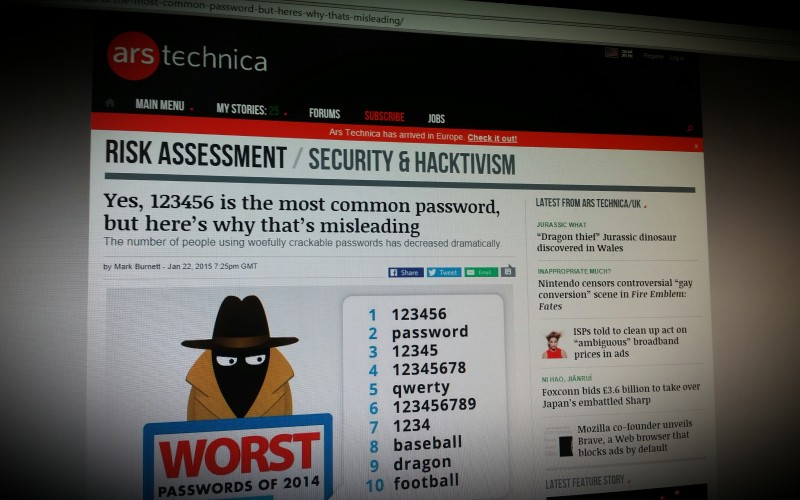
'I recently worked with SplashData to compile its 2014 Worst Passwords List, and yes, 123456 tops the list. In the data set of 3.3 million passwords I used for SplashData, almost 20,000 of those were in fact 123456. But how often do you genuinely see people using that, or the second most common password, password, in real life? Are people still really that careless with their passwords?'
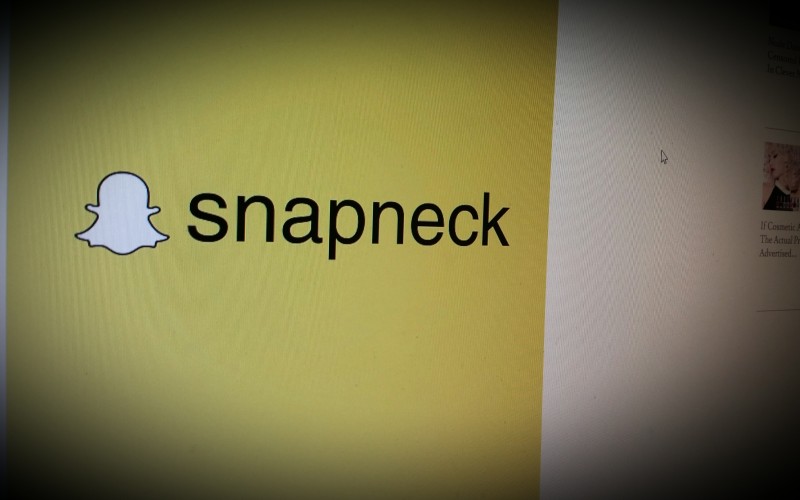
To remind viewers to not use their phones while driving, Volkswagen has unveiled a series of clever ads that uses the logos of popular social media networks.
The posters feature the likes of Facebook, Instagram, and Snapchat, however their names have been altered to describe what would happen to a driver in a car accident.
For example, Facebook was changed to “Facebroken”, Instagram became “Instagrave”, while Snapchat turned into “Snapneck”.
Comments
make a comment