Feedback

Simfin

online safety and digital citizenship specialist

Naace Impact Award Winner for Leadership

For his commitment to ensuring a safe and supportive learning environment for the education sector

What people say about simfin

  • a superb session with @simfin and my year 13s about online identity. Very engaging and thought provoking!!"

    Secondary School 2011

 Tagged with social media


21 January 2016

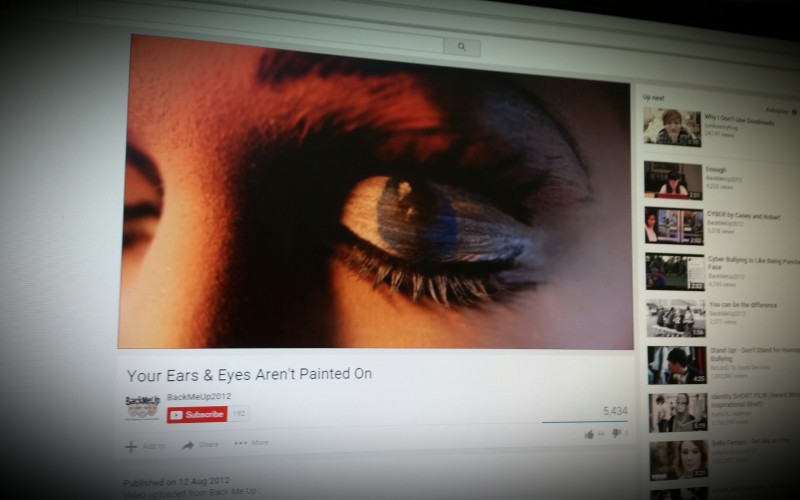
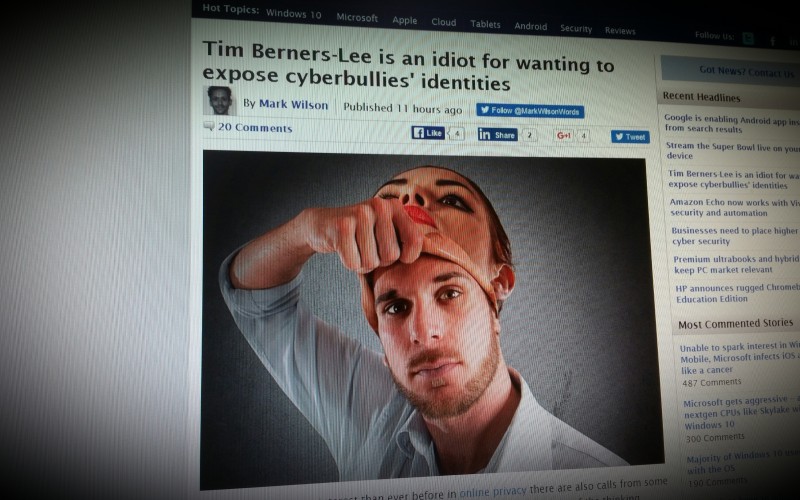
While there is greater interest than ever before in online privacy there are also calls from some quarters for people who use the web to be fully accountable. This is part of the thinking behind Facebook's real names policy, and it's also what's driven Tim Berners-Lee -- no less than the inventor of the web -- to call for the identities of cyberbullies to be exposed.
 

Read more

20 January 2016

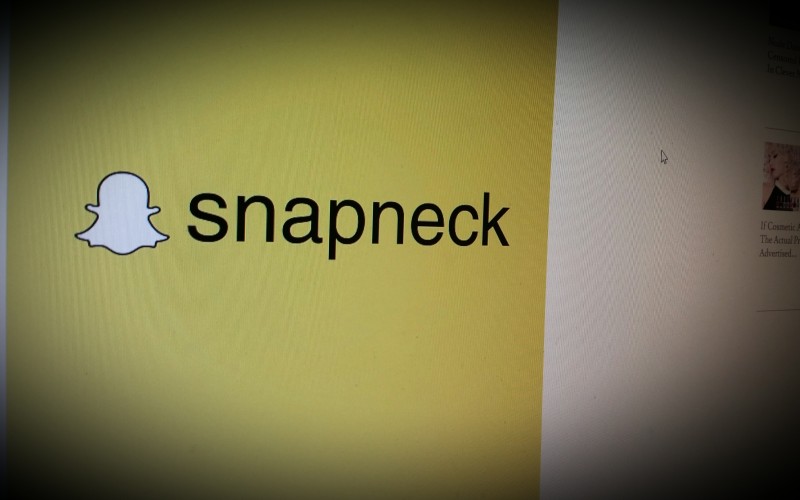
To remind viewers to not use their phones while driving, Volkswagen has unveiled a series of clever ads that uses the logos of popular social media networks. 


The posters feature the likes of Facebook, Instagram, and Snapchat, however their names have been altered to describe what would happen to a driver in a car accident. 


For example, Facebook was changed to “Facebroken”, Instagram became “Instagrave”, while Snapchat turned into “Snapneck”. 

Read more

19 January 2016

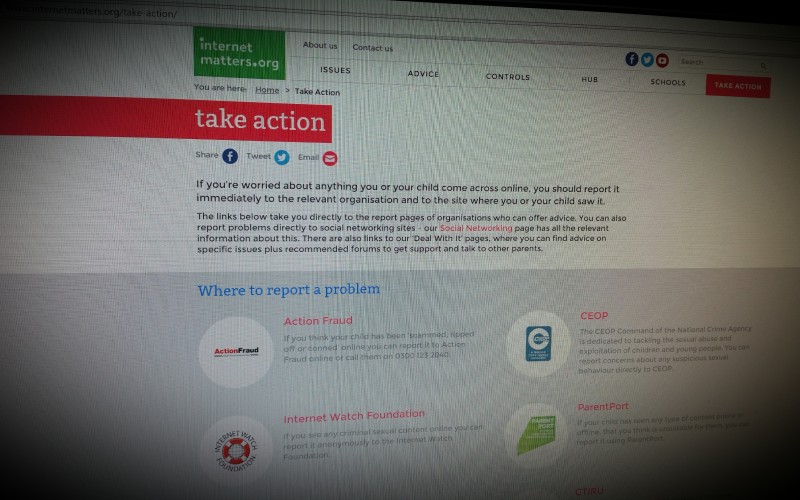
If you’re worried about anything you or your child come across online, you should report it immediately to the relevant organisation and to the site where you or your child saw it.


The links take you directly to the report pages of organisations who can offer advice. You can also report problems directly to social networking sites.


Learn more here

14 January 2016

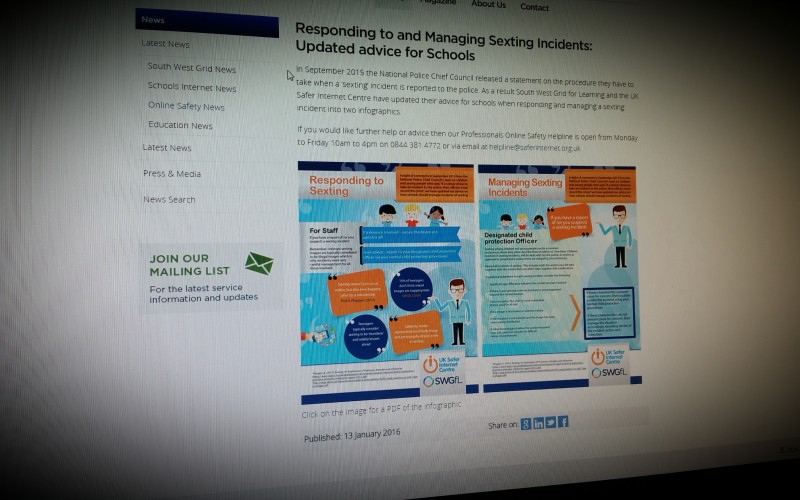
In September 2015 the National Police Chief Council released a statement on the procedure they have to take when a ‘sexting’ incident is reported to the police. As a result South West Grid for Learning and the UK Safer Internet Centre have updated their advice for schools when responding and managing a sexting incident into two infographics.


Access the infographics here


13 January 2016

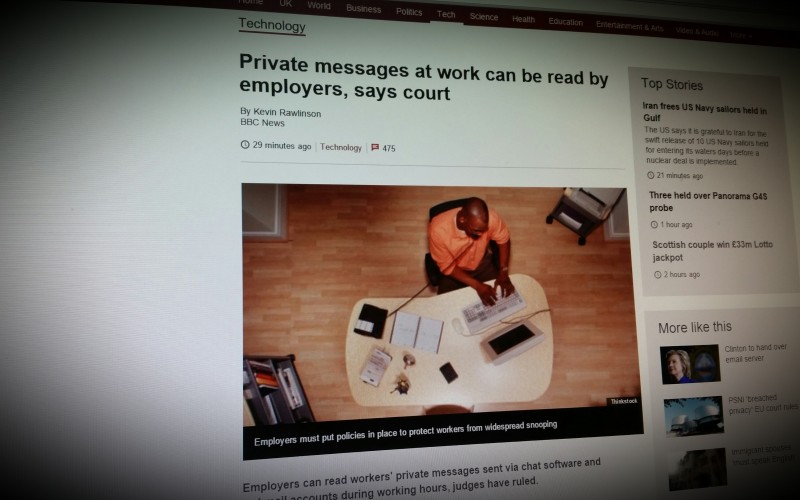
Employers can read workers' private messages sent via chat software and webmail accounts during working hours, judges have ruled.

The European Court of Human Rights (ECHR) said a firm that read a worker's Yahoo Messenger chats sent while he was at work was within its rights.


Read more here