
Feedback

Simfin

online safety and digital citizenship specialist

Naace Impact Award Winner for Leadership

For his commitment to ensuring a safe and supportive learning environment for the education sector

What people say about simfin

  • If you’re looking for online safety training @simfin is the one to contact! Amazing, eye opening training which makes you reflect and take action!

    primary teacher Online safety training

 Tagged with mental health


14 July 2026

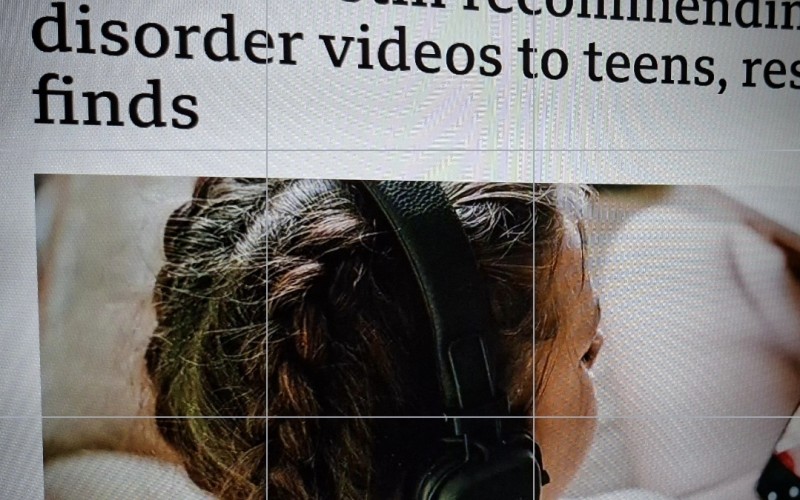
YouTube is still recommending eating disorder videos to teenage users a year after new rules were introduced to curb harmful online content, according to new research.

It found one in 10 videos recommended by YouTube's Up Next algorithm featured thinspiration, extreme calorie restriction or other harmful material.

Read more

03 May 2026

It was 3am and Adam Hourican was sitting at his kitchen table, a knife, hammer and phone laid out in front of him.

He was waiting for a van full of people he thought were coming to get him.

"I'm telling you, they will kill you if you don't act now," a woman's voice told him from the phone. "They're going to make it look like suicide."

The voice was Grok, a chatbot developed by Elon Musk's xAI. In the two weeks since Adam had started using it, his life had completely changed.

Read more

26 February 2026

Parents using Instagram's child supervision tools will soon receive alerts if their teen repeatedly searches for suicide or self-harm related terms on the platform.

It is the first time parent company Meta will proactively alert parents to searches by their child on Instagram for harmful material, rather than block searches and direct users to external help.

Read more

14 February 2026

Barry is a chatbot. He lives on an old model of ChatGPT, one that its owners OpenAI announced it would retire on 13 February.

That she could lose Barry on the eve of Valentine's Day came as a shock to Rae - and to many others who have found a companion, friend, or even a lifeline in the old model, Chat GPT-4o.

Read more

31 January 2026

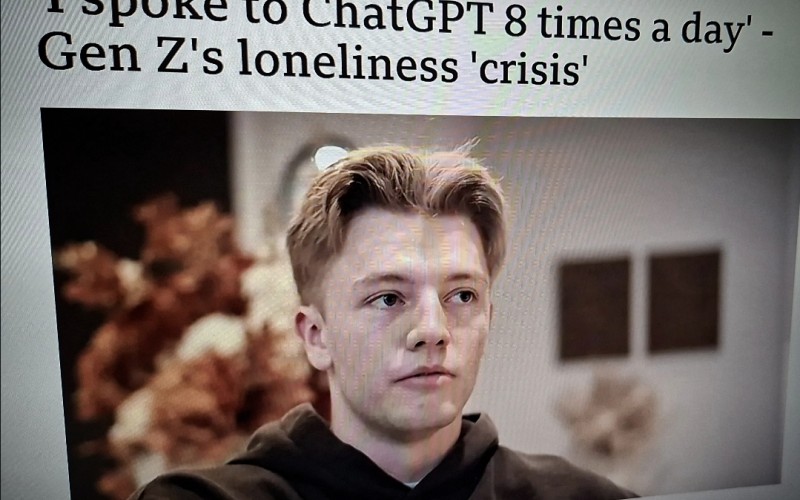
Working from home after years spent alone over Covid lockdowns, 23-year-old Paisley said he began to feel trapped, and felt only AI could help him.

"I lost the ability to socialise," he said, and like many in Gen Z, he turned to AI for company.

"At one point, I was talking to ChatGPT six, seven, eight times a day about my problems, I just couldn't get away from it, it was a dangerous slope."

Read more

21 August 2025

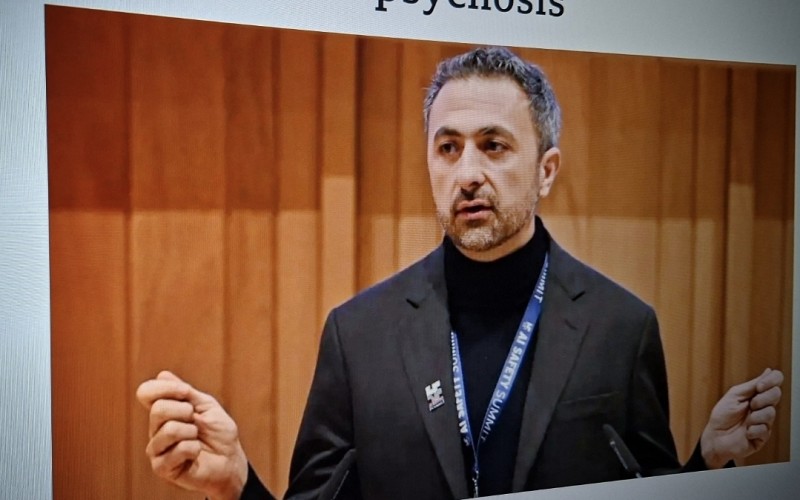
"There's zero evidence of AI consciousness today. But if people just perceive it as conscious, they will believe that perception as reality,"

Related to this is the rise of a new condition called "AI psychosis": a non-clinical term describing incidents where people increasingly rely on AI chatbots such as ChatGPT, Claude and Grok and then become convinced that something imaginary has become real.

Read more