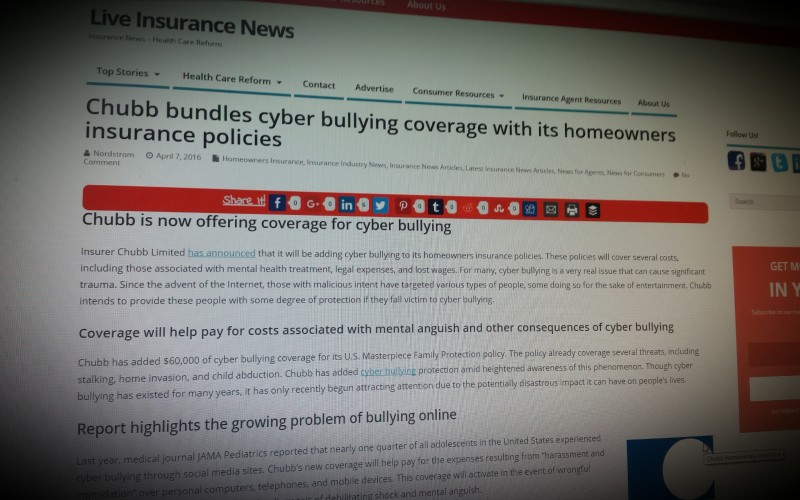
Insurer Chubb Limited has announced that it will be adding cyber bullying to its homeowners insurance policies. These policies will cover several costs, including those associated with mental health treatment, legal expenses, and lost wages. For many, cyber bullying is a very real issue that can cause significant trauma.
Tagged with social media
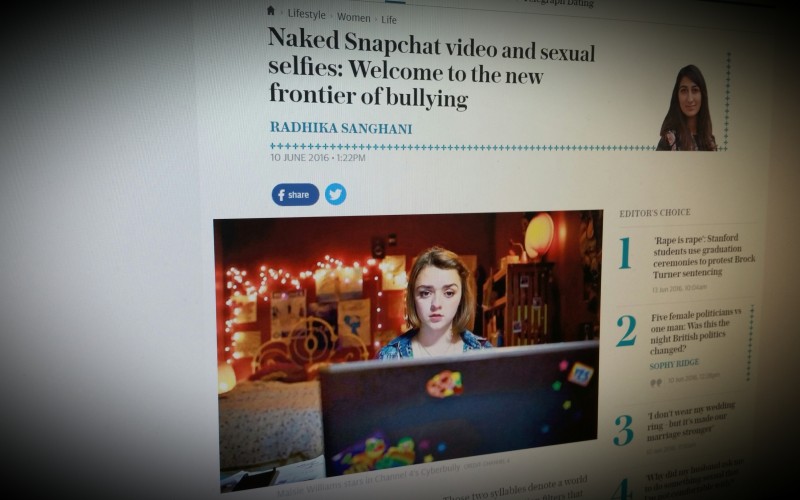
'Snapchat' - it sounds so harmless. Those two syllables denote a world of cute mouse ears, rainbow symbols and facial distortion filters that burst onto our smartphones as messages for a matter of seconds, before disappearing forever. The app now seems to be as common among 50-somethings as millennials (judging from my friends’ parents who have just discovered the #LOL filters).
The only time we hear a negative report of the app, is when it's used by teens to sext. That’s when alarm bells start ringing - mainly for parents and teachers, often at a loss to know how to stop kids exploring their sexuality on social media.
Here is an example of how scammers will try to persuade you to part with a smalller amount of money in return for a significant amount.
Read more here
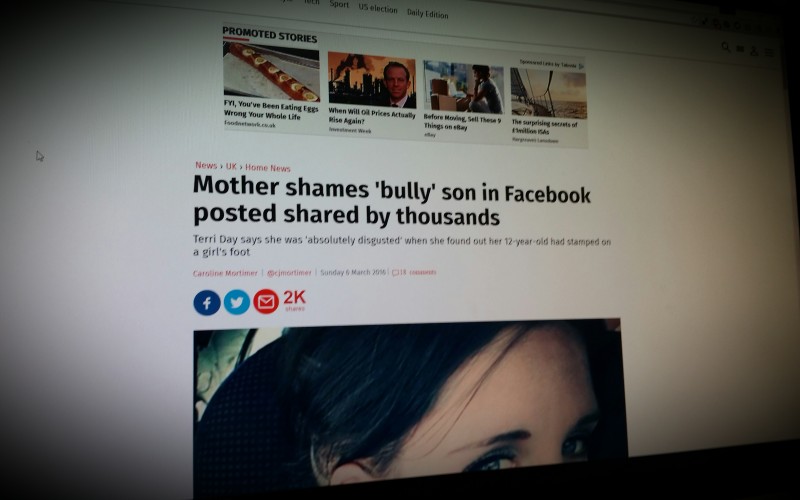
A mother whose Facebook post shaming her “bully son” was shared thousands of times has defended her online outburst - saying she wanted him to see his “actions have consequences”.
Read more
Adults’ Media Use and Attitudes, provides detailed insight into media use, attitudes and understanding among UK adults aged 16 and over. It covers TV, radio, mobile, games and the internet and can be found here.
Findings include:
• a considerable rise (10 percentage points over a year to 16%) in the proportion of adults who only use smartphones or tablets to go online, rather than a PC or laptop. This indicates that these devices are not just supplementing PCs and laptops, but are starting to replace them;
• a sizeable increase (11 percentage points over a year to 42%) in the proportion of internet users who say they only use websites or apps that they’ve used before. This trend, which is particularly prominent in over 25s, points to a narrowing use of the internet, with people focusing on content and apps that they use regularly;
• seven in ten adults now use a smartphone, the device most used for accessing social media and the preferred device for the majority of online activities. Mobile phones have become the media device people would miss most, overtaking the television set; and
• half of adults (51%) that use search engines are not aware that the top items on many results pages are adverts or sponsored links, indicating there is a need for people to be more aware or savvy about the content they are accessing online.
Access the report here
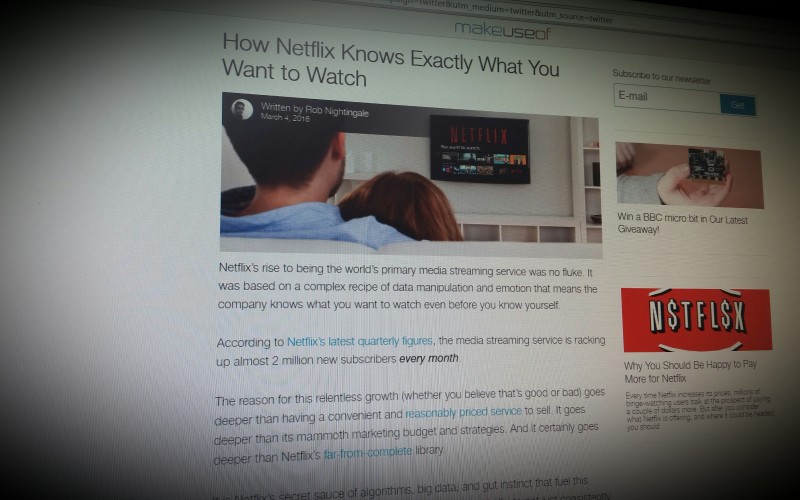
Netflix’s rise to being the world’s primary media streaming service was no fluke. It was based on a complex recipe of data manipulation and emotion that means the company knows what you want to watch even before you know yourself.


Comments
make a comment