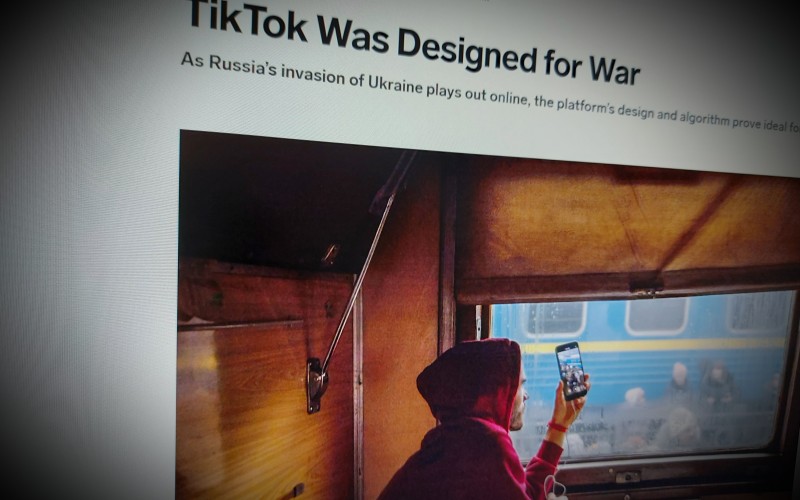
RUSSIA’S INVASION OF Ukraine is not the first social media war—but it is the first to play out on TikTok. The 2011 Arab Spring was fomented and furthered on Twitter and Facebook. Clips of Syrian children choking from chemical weapons filled social media timelines in 2018. And the Taliban’s capture of Kabul, with all the chaos that wrought, was live-tweeted into our homes last year. Images of unspeakable horrors supplanting the banality of status updates and selfies is nothing new. But the current conflict is a very different kind of social media war, fueled by TikTok’s transformative effect on the old norms of tech.
Tagged with digital literacy
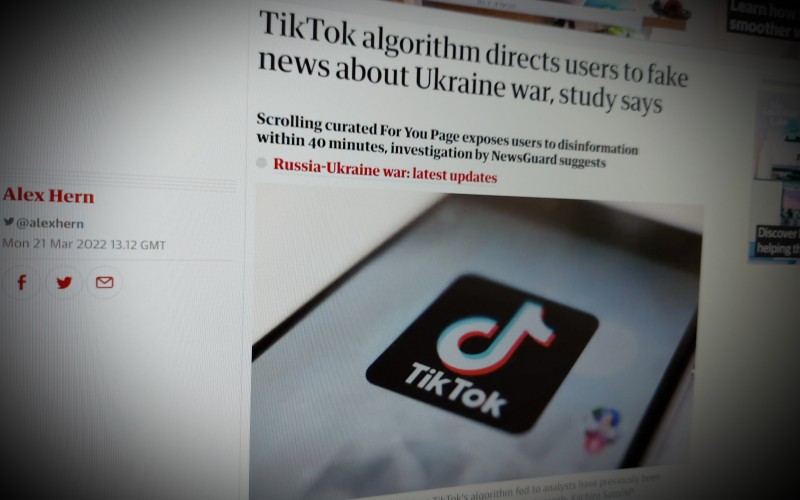
A new TikTok account can be shown falsehoods about the Ukraine war within minutes of signing up to the app, according to an investigation by anti-misinformation outlet NewsGuard.
TikTok was ‘just a dancing app’. Then the Ukraine war started
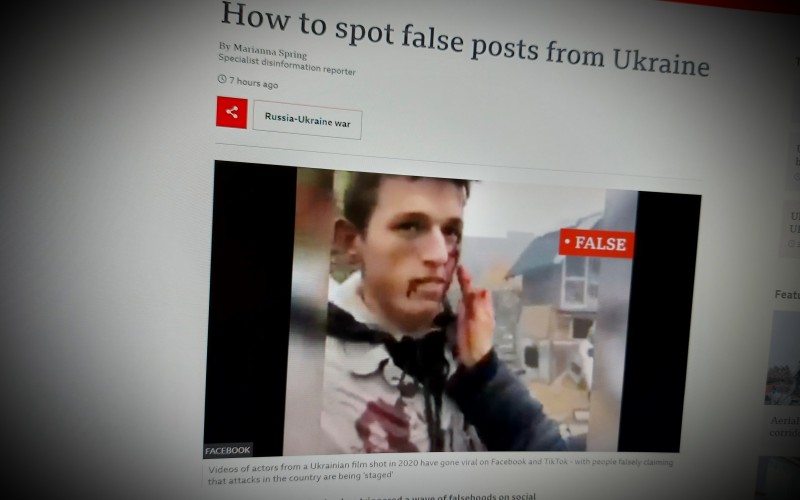
Russia's invasion of Ukraine has triggered a wave of falsehoods on social media and the airwaves. In a new Radio 4 podcast series, War on Truth, our specialist reporter follows the stories of people caught up by misinformation - and gives some tips about how to avoid it.
Ukraine continues to defend itself after being invaded by Russia last week.
The fast-moving nature of the invasion has led to misleading videos and information being shared online.
BBC Specialist Disinformation Reporter Marianna Spring has some tips on how to spot what's true and what's false.
Nearly two weeks after Russia's invasion of Ukraine, the flow of false or misleading information about the war hasn't let up and now there are some outlandish theories being shared online.
'We work to empower people with knowledge and tools to build resilience against harmful, false, and misleading information.'
Learn more about recognising fake news, misinformation and disinformtion.


Comments
make a comment