David Brown’s slides (April 2015) are publically available and can be found via the link below. This resource is relevant to school leaders, teachers of computing and all adults, including non teaching staff, who work in a school.
Tagged with policy
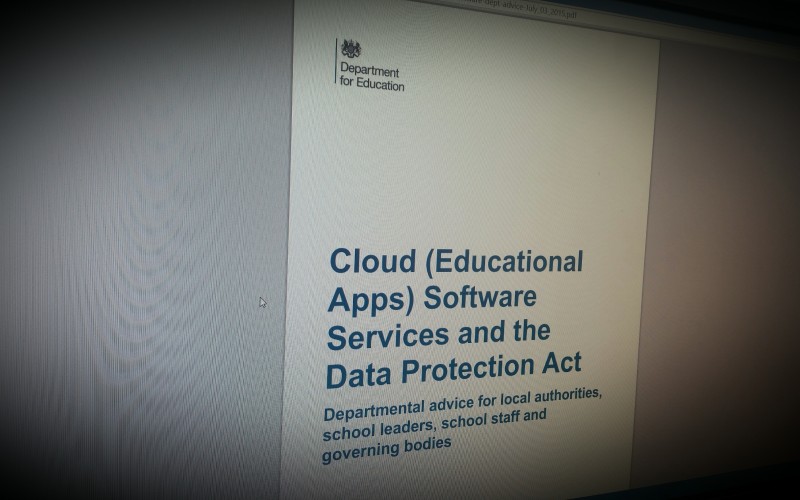
This is an advice and information document issued by the Department for Education. The advice is non-statutory, and has been produced to help recipients understand some of
the key principles and their obligations and duties in relation to the Data Protection Act 1998 (the DPA), particularly when considering moving some or all of their software services to internet-based "cloud" service provision.
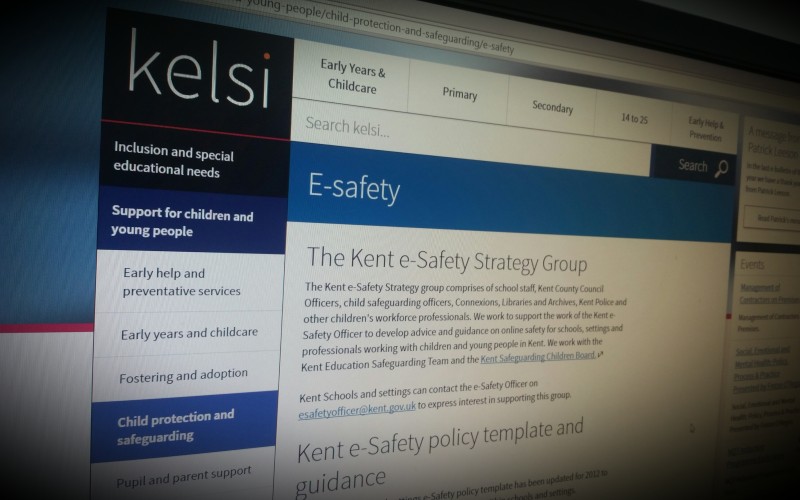
'The Kent e-Safety Strategy group comprises of school staff, Kent County Council Officers, child safeguarding officers, Connexions, Libraries and Archives, Kent Police and other children's workforce professionals. We work to support the work of the Kent e-Safety Officer to develop advice and guidance on online safety for schools, settings and professionals working with children and young people in Kent. We work with the Kent Education Safeguarding Team and the Kent Safeguarding Children Board.'
Read more and access the templates and documents here.
There are many templates available for schools to use and we recommend you consider SWGFL's. All templates need to be tailored to your specific needs and most schools should also check that their policies are in line with their local authority's policies and procedures.
Download the template here
Report on the data protection guidance ICO gave schools in 2012
Download here.
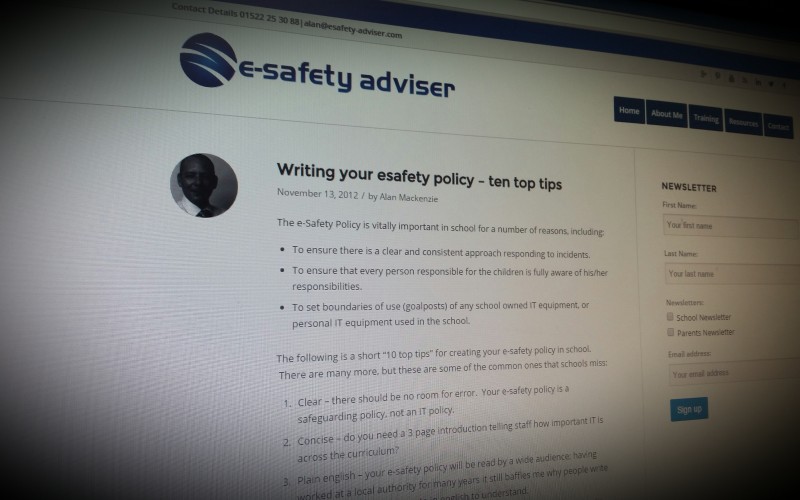
The e-Safety Policy is vitally important in school for a number of reasons, including:
To ensure there is a clear and consistent approach responding to incidents.
To ensure that every person responsible for the children is fully aware of his/her responsibilities.
To set boundaries of use (goalposts) of any school owned IT equipment, or personal IT equipment used in the school.
The following is a short "10 top tips" for creating your e-safety policy in school. There are many more, but these are some of the common ones that schools miss:


Comments
make a comment